


Why prices vary in the market
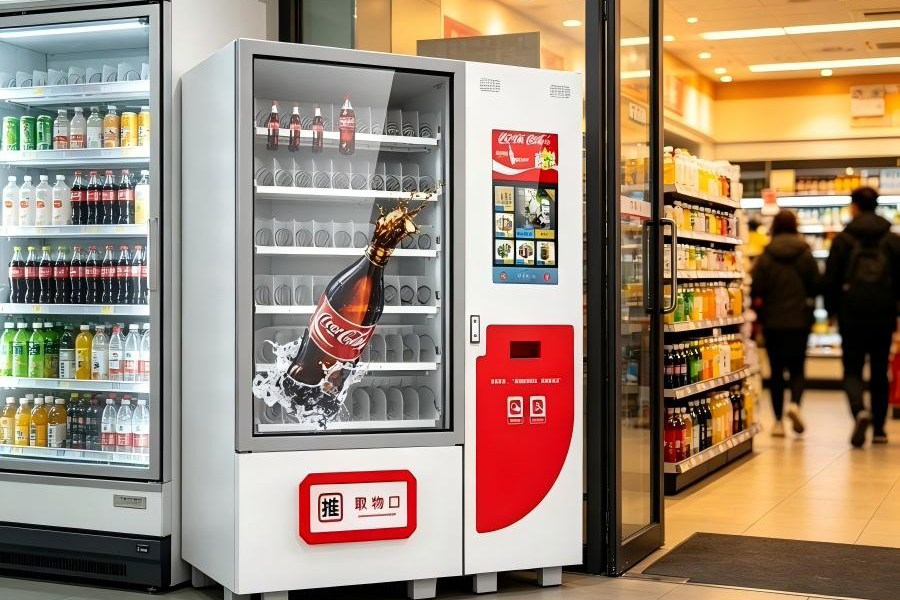
When companies compare different refrigerated vending machine suppliers, they often find large price differences. This happens even when the machines look similar at first glance. Most models are categorized as a smart vending machine. They support basic functions such as product display, payment, and cooling. However, pricing does not depend on appearance alone. It depends on internal systems, manufacturing quality, and long-term performance.
Cooling system is the main cost factor
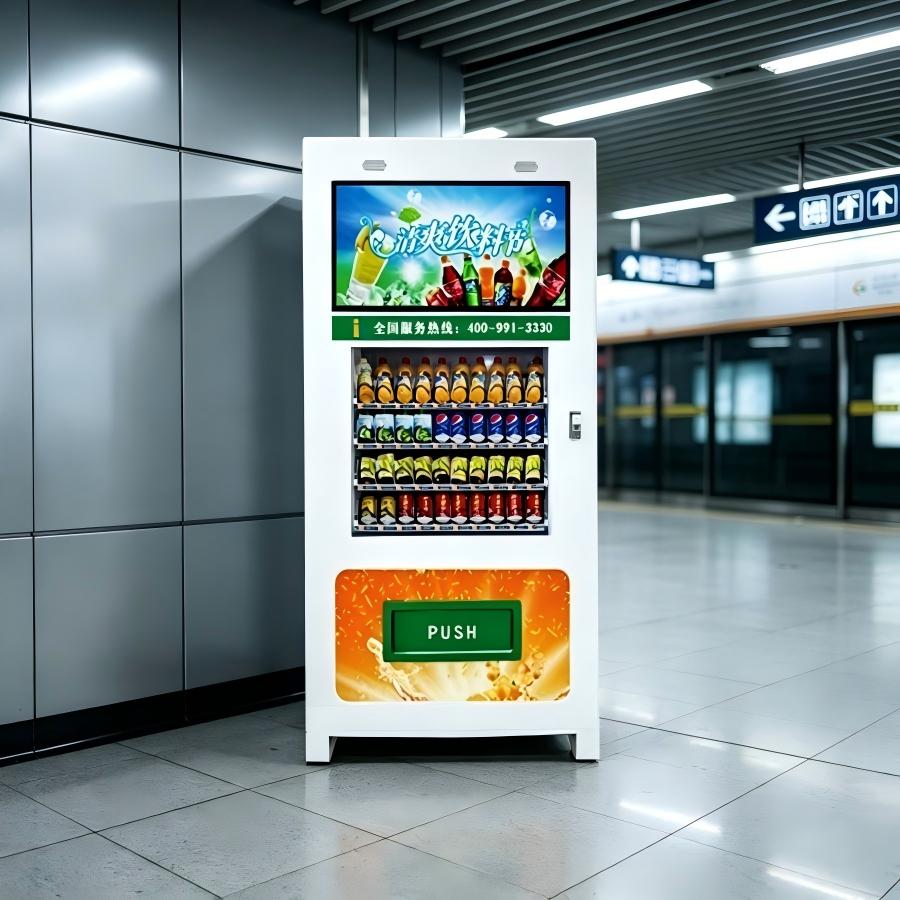
For any cold drink vending machine, the refrigeration system is the core component. It directly affects performance and operating stability. Higher-priced machines use better compressors and insulation materials. They also use more accurate temperature control systems. These improvements help the machine keep stable cooling in hot or busy environments. They also reduce energy use and maintenance problems over time.
Smart functions increase system cost
Many suppliers call their product a smart vending machine, but the actual system level is different. Basic machines only support payment and sales functions. Advanced machines offer more features. These include cloud management, inventory tracking, and remote monitoring. Operators use these systems to manage multiple machines more efficiently. This is why smart features increase the overall price.
Factory standards affect long-term quality
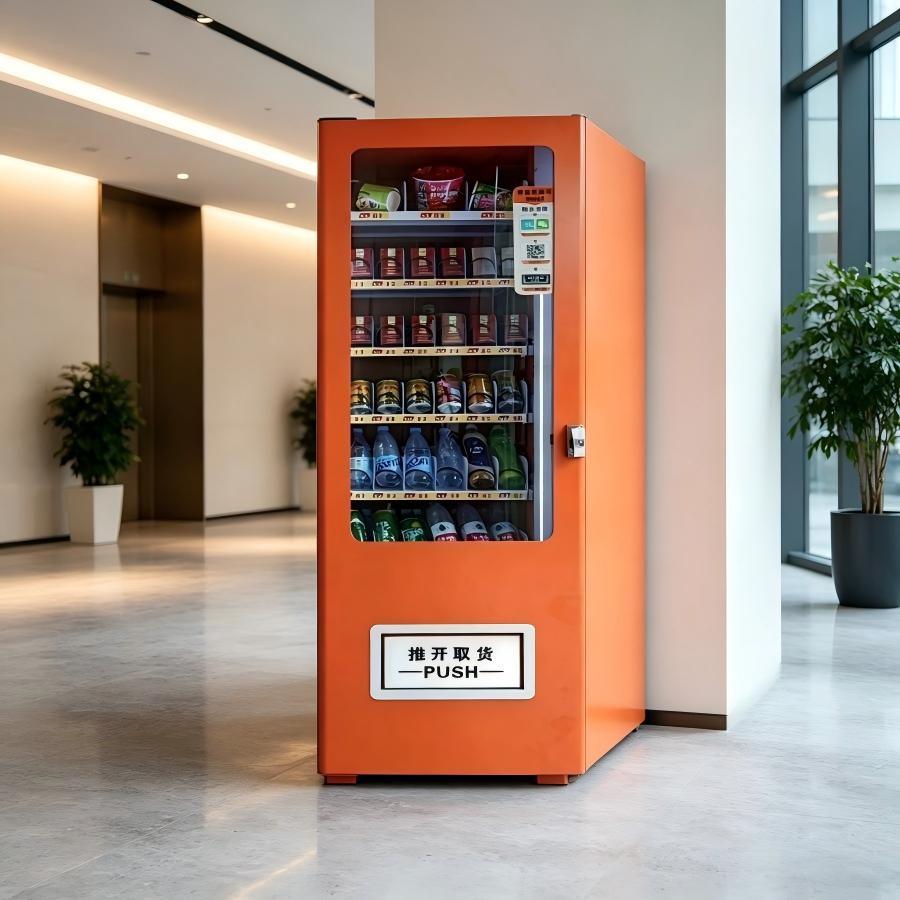
Production quality also affects cost. A professional refrigerated vending machine factory like WSS follows strict manufacturing standards. WSS builds machines according to MDB and DEX protocols. It also applies strict inspection during production. Each unit goes through quality testing before shipment. These processes improve reliability and reduce failure rates in real use.
Design affects customer behavior
A refrigerated vending machine also works as a retail display unit. Its design directly influences customer buying decisions. Machines with large glass panels allow clear product visibility. LED lighting improves product presentation. These features help increase impulse purchases. High-end machines also use explosion-proof glass and stronger structures. These materials increase cost but improve safety and durability.
Security and payment systems add value
Vending machines often run without supervision. Security design becomes important in commercial use. Better machines include stronger locks and anti-theft structures. They also reduce the risk of damage or product loss. Modern smart vending machine systems also support multiple payment methods. These include QR codes, mobile wallets, and card payments. System integration adds to development cost.
Customization and order size impact pricing
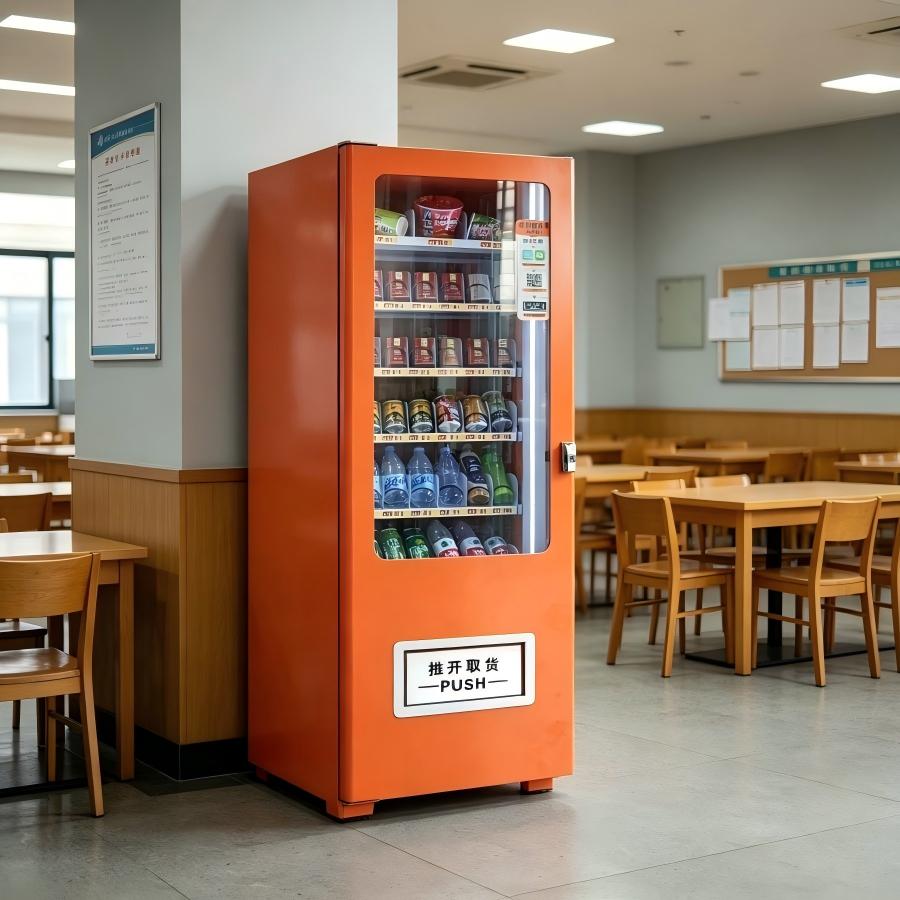
Customization is a major factor in B2B pricing. Buyers often request branding changes, layout adjustments, or software modifications. Each change increases engineering and production effort. This leads to higher cost. Order size also affects pricing. Small orders have higher unit costs. Bulk orders allow factories like WSS to reduce production cost per unit.
About WSS Refrigerated Vending Machine
The WSS refrigerated vending machine provides a smart and efficient self-service solution for beverages, snacks, and fresh food. It follows MDB and DEX international standards. This ensures compatibility with global payment and management systems. The machine uses a large transparent glass design. This improves product visibility and customer engagement. It also uses explosion-proof glass and anti-theft structures to ensure safe operation.
Conclusion
The price of a refrigerated vending machine depends on many factors. These include cooling performance, smart system features, factory standards, design quality, security systems, customization, and order volume. For B2B buyers, the goal is not to choose the cheapest option. The goal is to choose a reliable system that supports long-term business operation and stable returns.