


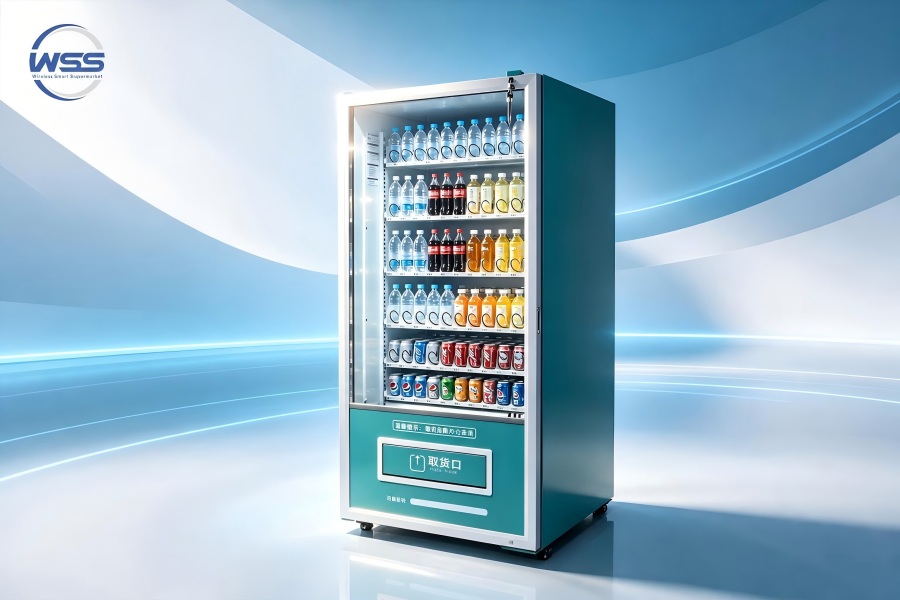
The vending industry has evolved significantly in recent years. Modern vending machines are no longer simple product dispensers. With advanced payment systems, intelligent management software, touch screens, AI recognition, and remote monitoring technologies, vending machines have become an important part of automated retail solutions.
しかし, producing a high-quality vending machine requires much more than assembling components. Professional vending machine manufacturing involves multiple stages, including product design, engineering development, material selection, software integration, manufacturing, testing, and quality control. For businesses planning to launch self-service retail projects, choosing experienced custom vending machines manufacturers is essential. A reliable manufacturing partner can help transform ideas into practical vending solutions that meet different market requirements. As an experienced vending machine supplier, WSS focuses on providing innovative and reliable vending solutions for businesses worldwide. This article explains how the vending machine manufacturing process works from initial design to final production.
What Are the Key Steps in Vending Machine Manufacturing?
The manufacturing process of a vending machine requires cooperation between designers, エンジニア, production teams, and quality control specialists. Each stage plays an important role in ensuring the final product delivers reliable performance.
1. Product Design and Requirement Analysis
Every successful vending machine starts with a clear understanding of market needs.
Before production begins, manufacturers usually analyze several important factors:
- Target customers and application scenarios
- Products that the machine will dispense
- Machine size and internal capacity
- Payment methods
- User interaction requirements
- Branding and appearance design
例えば, ある vending machine designed for beverages may require refrigeration systems and large storage capacity, while a smart retail vending machine may focus more on touchscreen interaction and intelligent inventory management. During this stage, professional manufacturers work closely with customers to define product specifications and create a design that matches their business goals.

2. Engineering Development and Prototype Testing
After the concept is confirmed, engineers begin transforming the design into a functional product.
This stage includes:
Mechanical Structure Design
Engineers develop the internal structure, 含む:
- Cabinet design
- Product storage system
- Dispensing mechanism
- Door structure
- Security components
A well-designed structure ensures the machine operates smoothly while improving durability.
Electronic System Development
Modern vending machines require advanced electronic systems, のような:
- Payment modules
- Control boards
- センサー
- Display screens
- Communication systems
As one of the professional intelligent vending machine manufacturers, WSS integrates smart technologies into vending solutions to improve operational efficiency and user experience.

3. Material Selection and Component Manufacturing
Material quality directly affects the durability and appearance of vending machines.
Professional vending machine manufacturing requires careful selection of:
- Metal cabinets
- Glass panels
- Electronic components
- Motors
- Cooling systems
- Touch displays
High-quality materials help machines withstand long-term commercial operation in different environments. Manufacturers also need to ensure that every component meets safety standards and works effectively with other systems.
4. Smart Technology Integration
The development of intelligent retail has changed customer expectations for vending machines.
今日, many businesses are looking for vending machines with advanced features, 含む:
- Cashless payment options
- 遠隔監視
- Cloud-based management systems
- Real-time inventory tracking
- Sales data analysis
- AI-based customer interaction
This is why businesses increasingly cooperate with intelligent vending machine manufacturers that can provide not only hardware production but also complete smart retail solutions. WSS combines manufacturing experience with intelligent technology integration, helping businesses build vending systems that are easier to manage and more efficient to operate.

5. Production and Assembly Process
Once the design, components, and systems are confirmed, the machine enters the production stage.
The typical manufacturing process includes:
Cabinet Production
The machine body is manufactured through processes such as:
- Metal cutting
- Welding
- Surface treatment
- Painting
System Assembly
Workers install:
- Electronic components
- Product dispensing systems
- スクリーン
- Payment devices
- Internal wiring
Software Configuration
The software system is configured according to customer requirements, ensuring that functions such as payment, product selection, and remote management operate correctly. A professional production process ensures every vending machine meets performance and quality expectations before delivery.
6. Quality Inspection and Performance Testing
Quality control is one of the most important parts of vending machine manufacturing.
Before shipment, manufacturers usually conduct detailed inspections, 含む:
- Appearance inspection
- 電気安全試験
- Payment system testing
- Product dispensing testing
- Temperature control testing
- Software function testing
These tests help identify potential problems and ensure stable operation after installation. For businesses searching for the best vending machine manufacturer, quality management should always be one of the most important evaluation factors.
Why Choose WSS for Vending Machine Manufacturing?
Choosing the right manufacturing partner can significantly influence the success of a vending business.
WSS provides professional vending machine solutions by combining:
- Advanced manufacturing capabilities
- Customized product development
- Intelligent technology integration
- Reliable quality control
- Flexible business solutions
Unlike suppliers that only provide standard products, WSS supports businesses with customized vending machine development based on different industries and application requirements. Whether customers need retail vending machines, smart vending solutions, or customized self-service equipment, WSS provides professional support from concept development to final production.
How Can Custom Vending Machines Help Businesses Grow?
Different industries have different vending requirements. A customized vending machine allows businesses to create solutions that better match their operational needs.
例えば:
- Retail brands can use branded vending machines to improve customer engagement.
- Schools and offices can provide convenient self-service purchasing.
- Shopping centers can increase automated sales channels.
- Businesses can collect sales data through intelligent management systems.
Working with experienced custom vending machines manufacturers allows companies to develop unique solutions instead of relying only on standard models.
結論:
The process of vending machine manufacturing involves much more than assembling a machine. From initial design and engineering development to smart technology integration, 生産, and quality testing, every step affects the final performance of the product. For businesses looking to enter the automated retail market, partnering with an experienced manufacturer is essential. With professional manufacturing capabilities, customization services, and intelligent solutions, WSS helps businesses create reliable vending machines designed for modern retail environments. Choosing the right partner means choosing a supplier that can support long-term business growth and deliver vending solutions ready for the future.